Dry Needling for Pain Relief & Muscle Recovery
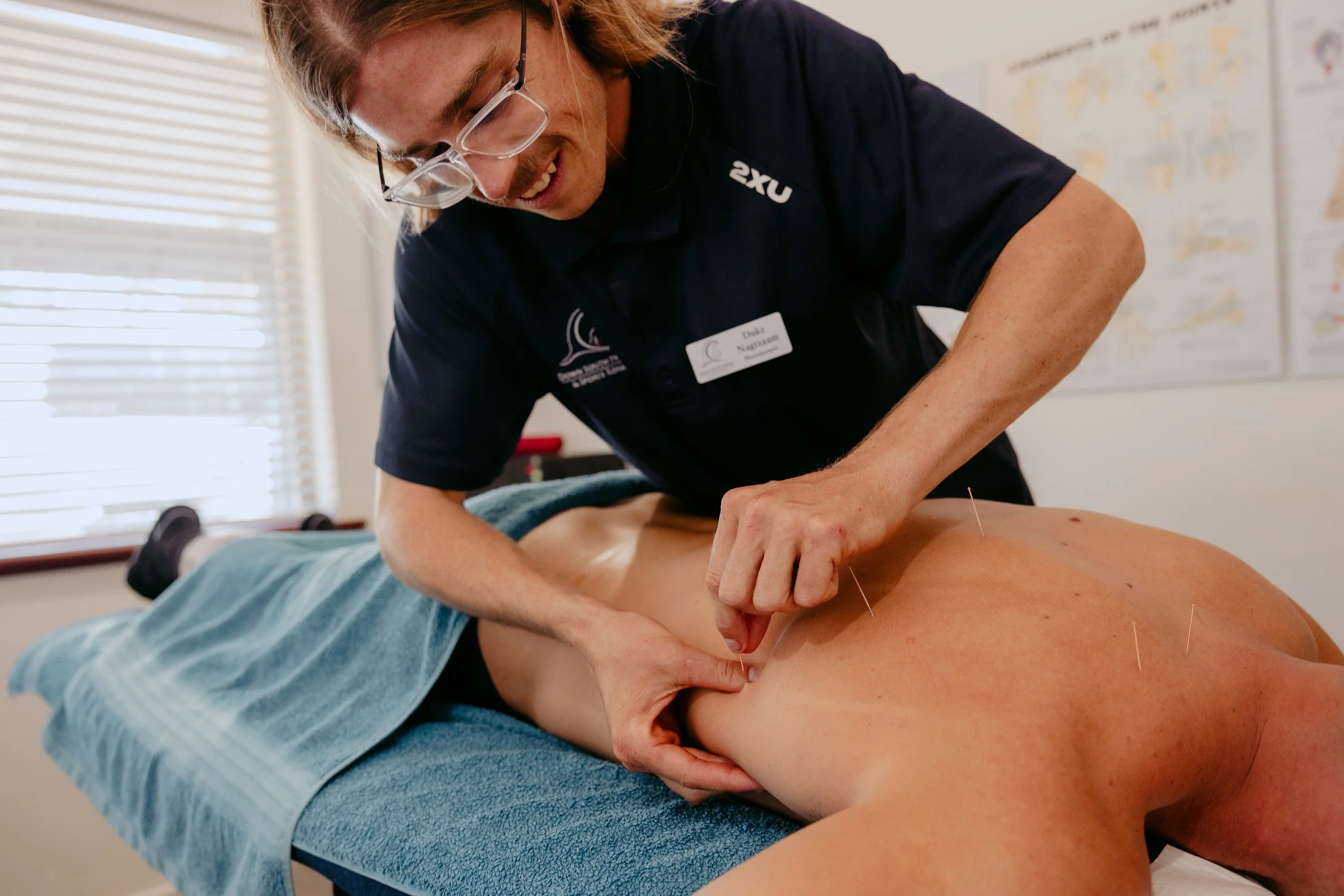
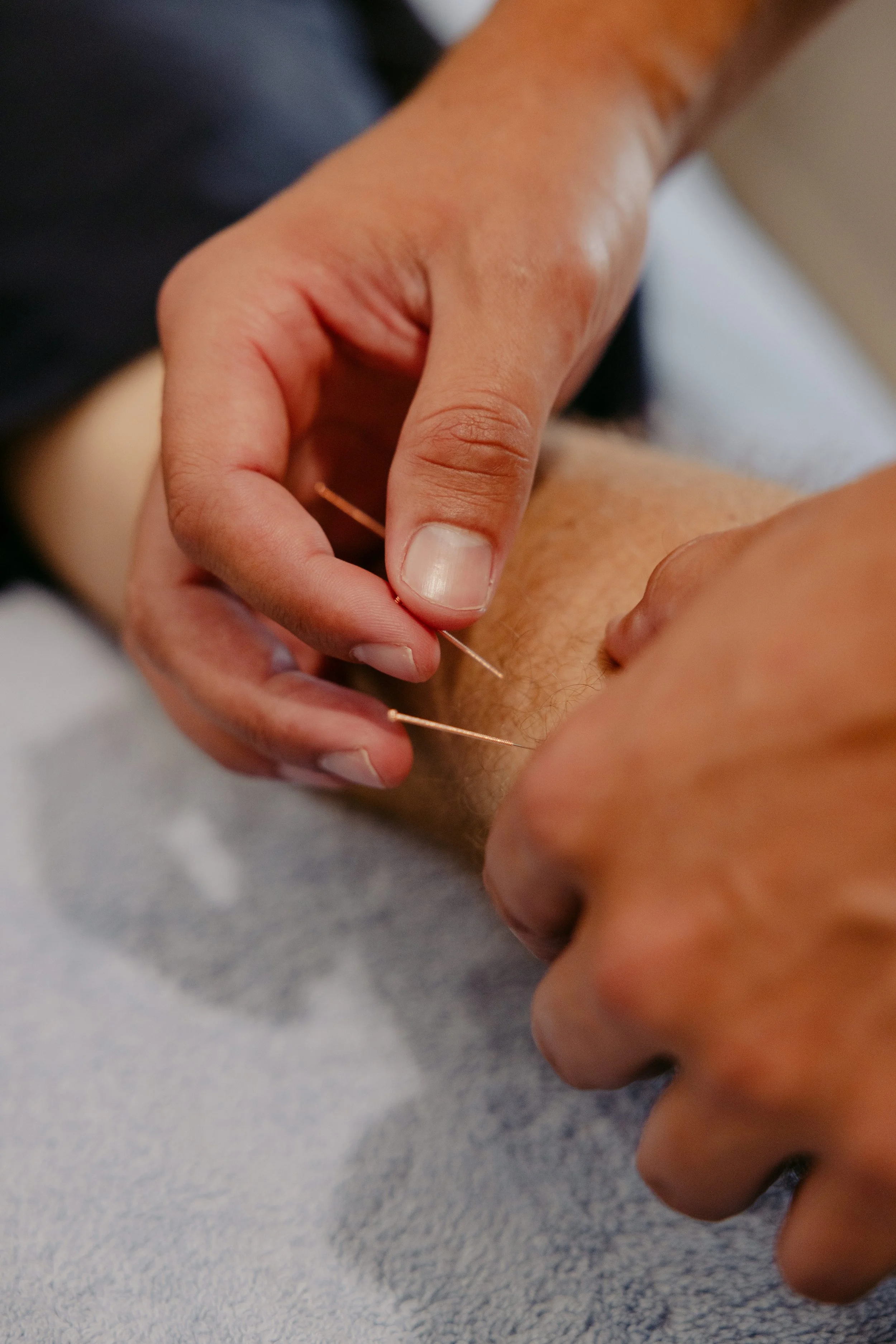
Dry needling is a targeted treatment technique used by our physiotherapists to release tight muscles, reduce pain and speed up recovery. Using fine, single-use needles, your physio targets specific trigger points and areas of tension to help your body reset — often providing relief that manual therapy alone can't reach.
How Does Dry Needling Work?
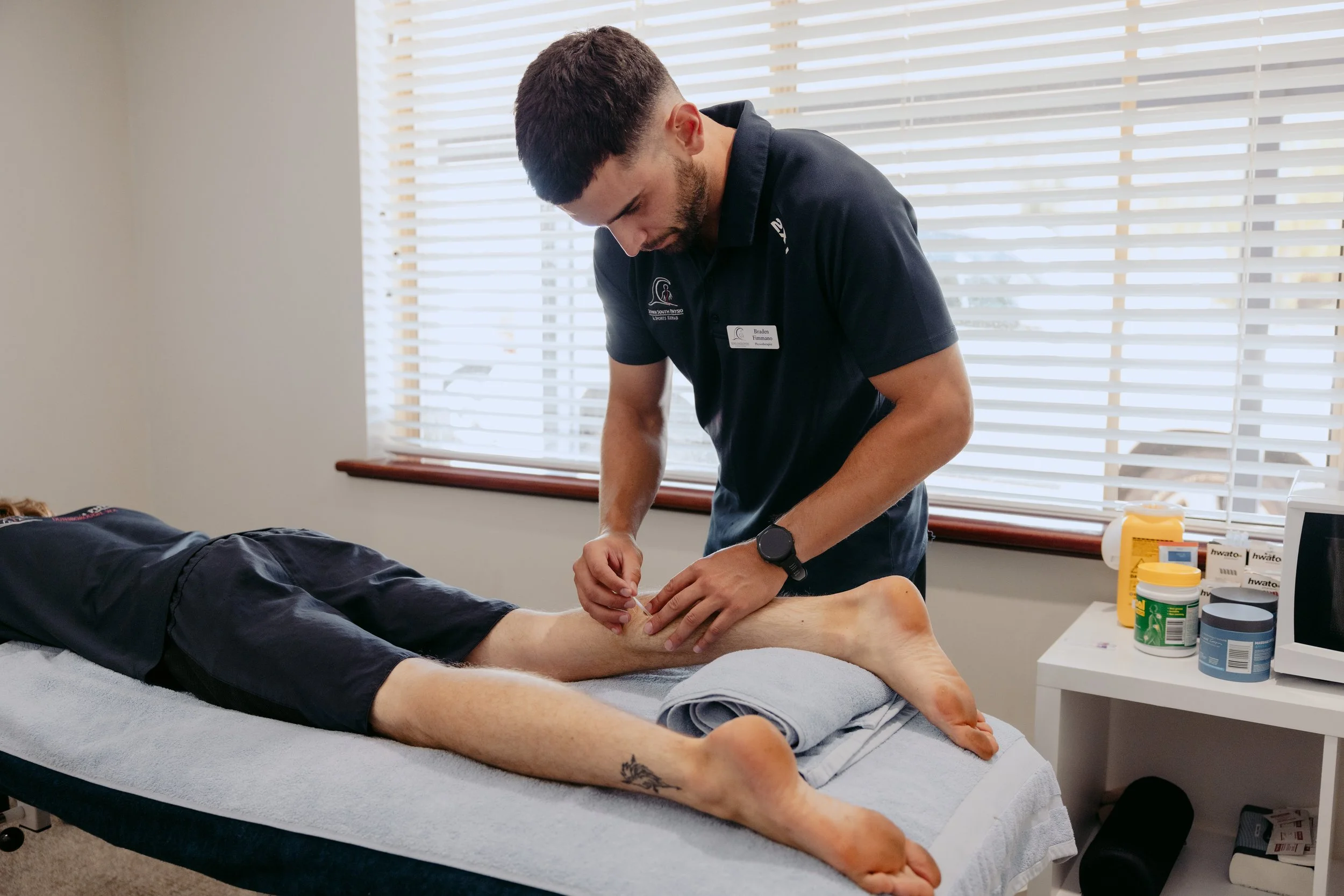
Your physio inserts a very fine needle into tight bands of muscle — known as trigger points — to release tension, improve blood flow and reduce pain. It's not the same as acupuncture; dry needling is grounded in Western medicine and anatomy, and it's guided by your physio's clinical assessment of exactly where the issue is. Most people feel a brief twitch or deep ache during treatment, followed by noticeable relief.
Who Can Benefit From Dry Needling?
Dry needling works well for a wide range of conditions — from neck and shoulder tension, to lower back pain, headaches, sports injuries and post-surgical tightness.
It's rarely used on its own; your physio will typically combine it with hands-on treatment and exercise-based rehab as part of a broader recovery plan tailored to you.
We partner with…
Trusted by clubs, schools and sporting organisations.